Summit 2026 · Re-echoedPart one of two
This Is Your Starting Point
He opened the Builders’ Summit by telling us he had nothing new to say — on purpose. A re-echo of the opening remarks and the charge the room was given.
He opened the Summit by telling us he had nothing new to say.
Not as an apology. As a decision.
That was Benson Baniwas, opening the Builders’ Summit 2026. And then the reason, which is the part worth sitting with:
Consider how unusual that is. Every gathering we attend is under quiet pressure to produce a new theme, a new word, a new angle — because repetition reads as a failure of imagination, and nobody wants to be the convenor with nothing fresh.
But repetition isn’t a failure of imagination. It is how anything gets into the body. Nobody learned to drive by being told once. We don’t learn to build by hearing a different thing every year. We learn by hearing one thing until we stop needing to be told it.
So the Summit opened on last year’s message on purpose. That was the first instruction of the weekend, and it was given before any instruction was given.
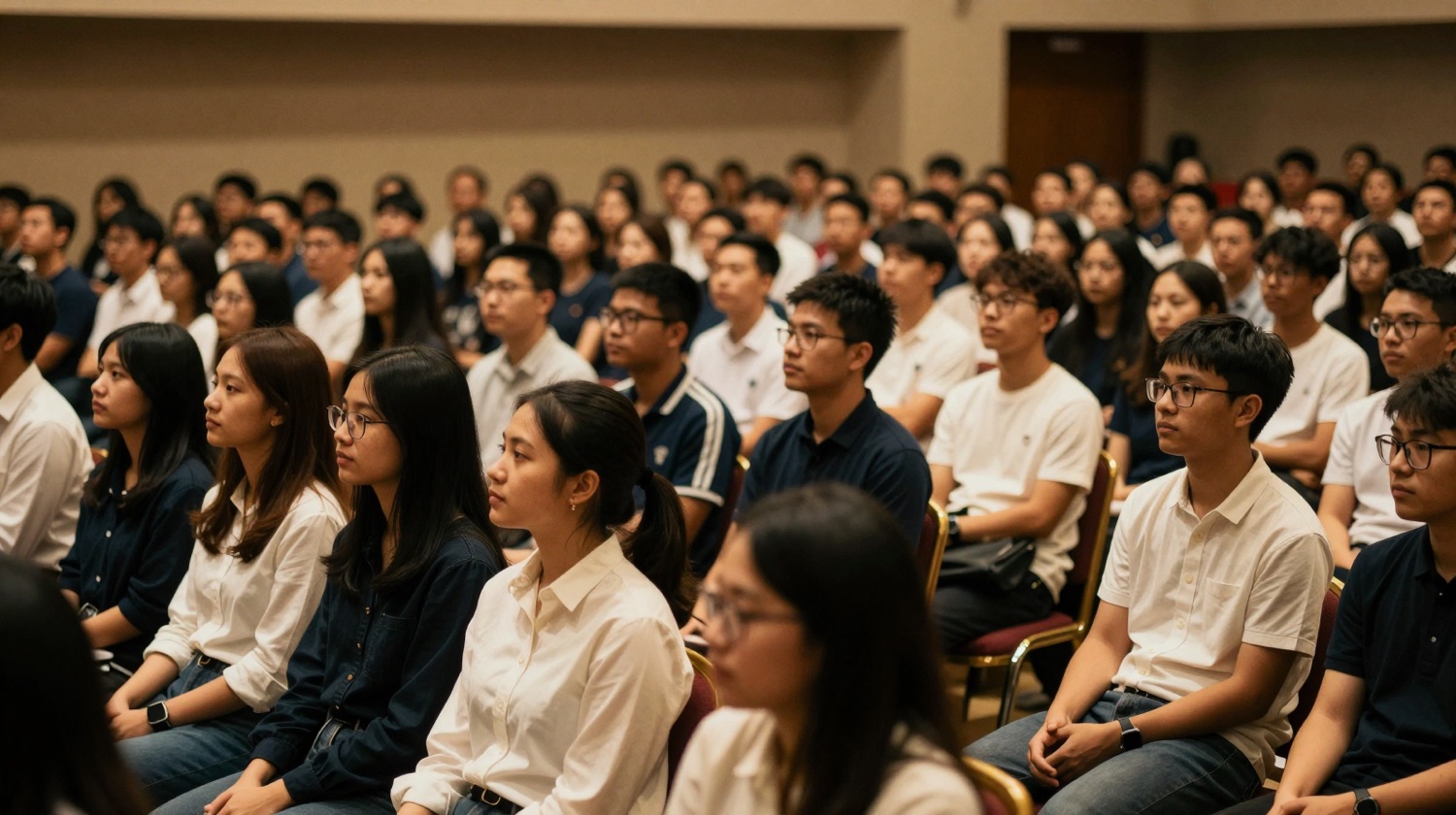
It helped that the room was already leaning forward. The night carried a real anticipation — familiar to those who had been at Summit 2025 and knew the shape of what was coming, but not closed off by that familiarity. Nobody was treating this as an event with an opening and an ending. The expectation, unspoken but general, was that we would not be leaving as the same people who walked in.
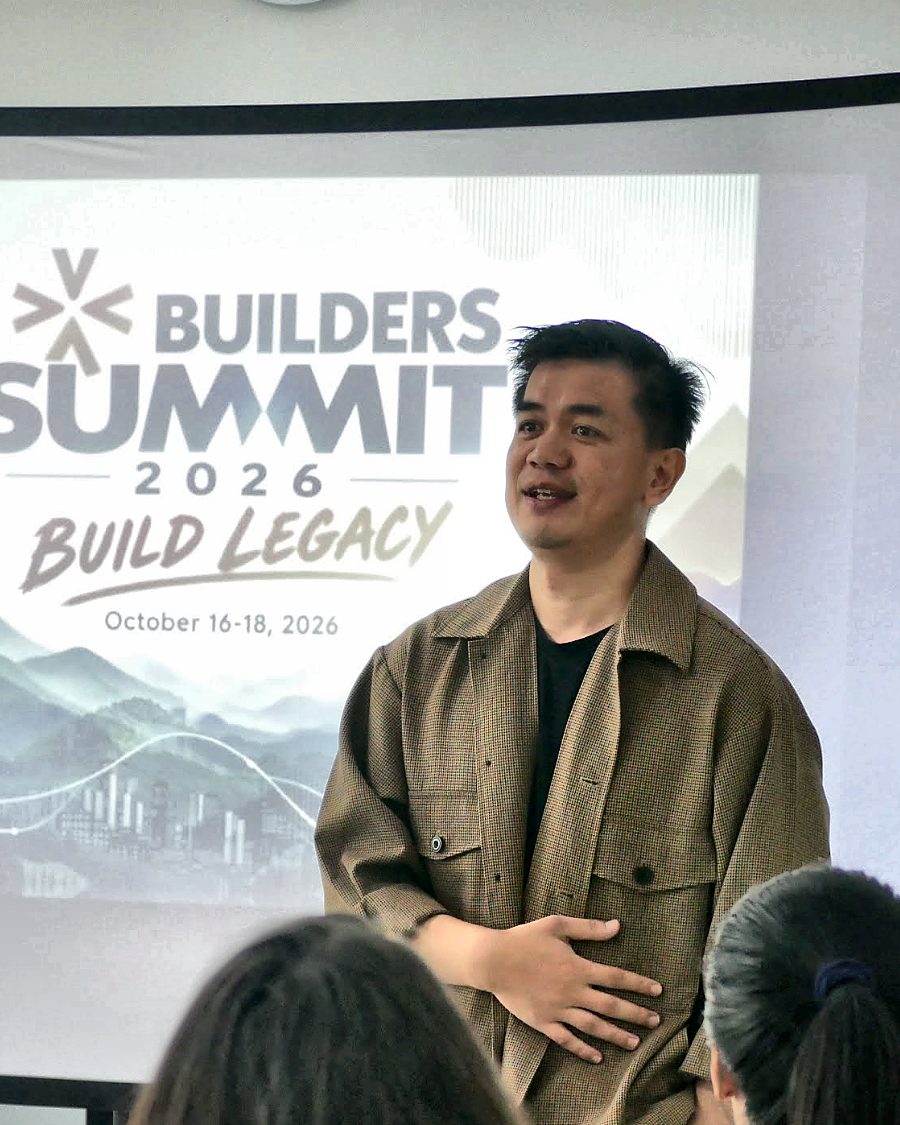
“Congratulations! You have arrived!”
Then came the welcome. It lasted about one sentence.
Most welcomes work to make you comfortable. This one congratulated us and then, in the next breath, raised the bar we had just finished clearing.
And then the sentence that reframed the entire weekend before the weekend had started:
This is not the destination.
This is your starting point.
Everything after it had to be heard differently. We had not arrived at an achievement. We had arrived at a trailhead.
The question he turned back on the room
Then he asked it straight: why are you here?
It wasn’t rhetorical. It was followed immediately by two sentences that worked as a sorting mechanism, and the room felt itself being sorted:
Nobody in that room is against process or burden in principle. That’s not the trap. The trap is that you can want the platform sincerely — not greedily, not vainly, genuinely believing you want to serve — and still have no appetite for the years of unwatched work that make the platform survivable.
The sorting isn’t between good people and bad people. It’s between people who want the outcome and people who have agreed to the cost.
Then, a mercy, if you read it slowly:
Nobody was being asked to arrive polished. We were being asked to arrive willing to think differently on the way up.
Three men who had no business being there
He named three.
Abraham — old and childless — became the father of nations.
David — a shepherd boy — rose to be king.
Zacchaeus — a corrupt tax collector — became poor in spirit, so that God’s message through him might become rich.
Not one of them was qualified at the moment of calling. Abraham was out of time. David was out of rank. Zacchaeus was out of character.
The Zacchaeus line is the one that catches, because it runs backwards from how we would have written it. He didn’t become rich. He became poor in spirit — and the message became rich. We keep hoping the transaction runs the other way.
The discipline of the climb
Then three things the summit teaches. Each one came with a prayer attached, which is what makes them usable rather than merely true — a sentence you can actually say on a Tuesday.
One — the fullness of life is not found in imagination, but in design
“Not my will, Lord, but Yours be done.”
Imagination is the version we would build if it were entirely up to us. Design is the one already drawn. The point isn’t that imagining is wrong — it’s that fullness was never stored in the version we invented for ourselves, which is why getting it has so often left us flat.
Two — timing is not what matters most. Alignment is.
“Here I am, Lord — use me.”
We spend enormous energy on when. Is it my season. Is it too early. Have I missed it.
But a thing arriving on time in front of someone facing the wrong way is not an opportunity — it’s a near miss. The question was never whether the hour is right. It’s whether we’re pointed at it when it comes.
Three — the dream is not the end goal. The dreamer is.
“Lord, let me see what You want me to see. Let me think what You think. Let me feel what You feel. And let me dream Your dream.”
This one quietly dismantles the whole way we usually talk about vision.
The dream is the instrument. You are the product. Which means a dream that gets fulfilled while the dreamer stays exactly the same person has failed at the only thing it was actually for.
It also explains the delays. If the dream were the goal, waiting would be waste. If the dreamer is the goal, waiting is the work.
Then he opened it
Not a ribbon cut. Not “welcome, here’s the schedule.” The Summit was declared open on the strength of a fire the room had just been asked to let God light in it.
That’s how it opened. Not with a programme. With a fire.
If you’re reading this and you weren’t in that room, the question still stands, because it was never really about the room.
Why are you here?
And wherever you’ve got to — the job, the ministry, the marriage, the thing you’ve finally been recognised for — hear the rest of it too.
This is not the destination.
This is your starting point.